
AI Speeds Up Coding, Not Engineering
An opinionated workflow for building good-enough software with AI coding agents without surrendering architecture, judgment, or security.
Page 2 of 4
An opinionated workflow for building good-enough software with AI coding agents without surrendering architecture, judgment, or security.

A subjective comparison of Claude Code, Codex, Cursor, OpenCode, and the models inside them, based on ordinary application work rather than benchmarks.

The pursuit of becoming a 10x developer through context-switching across six projects, multiple languages, and AI agents — and the quiet realization that 1.5x is honest work.

After testing agent frameworks for personal automation, I realized the best personal AI agent is not a platform—it is a well-organized directory of Markdown, scripts, logs, and state.
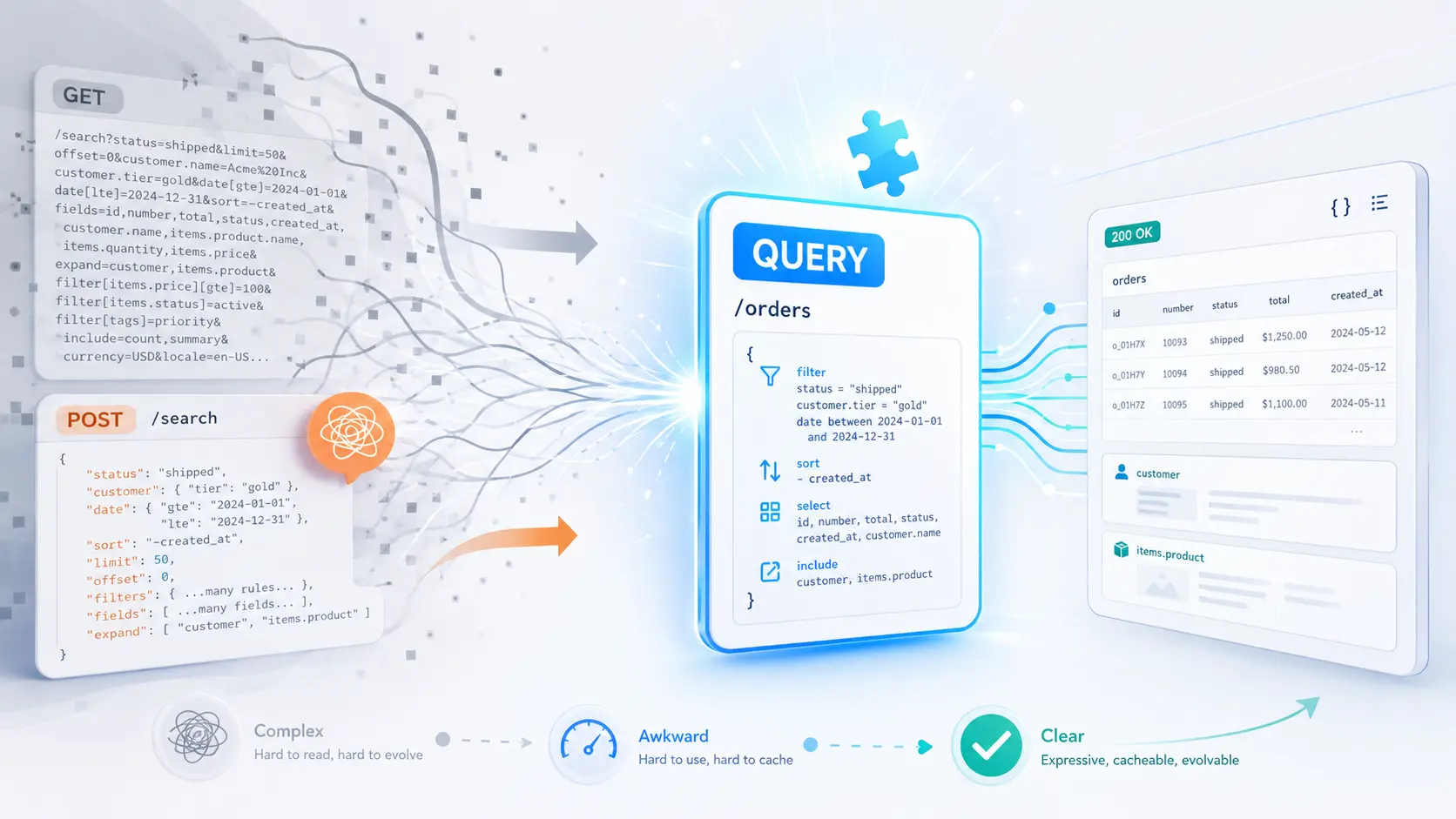
Complex read-only queries have been hiding inside POST /search endpoints for years. RFC 10008 adds an HTTP QUERY method — safe, idempotent, and built for body-heavy reads. Here is how it changes API design.
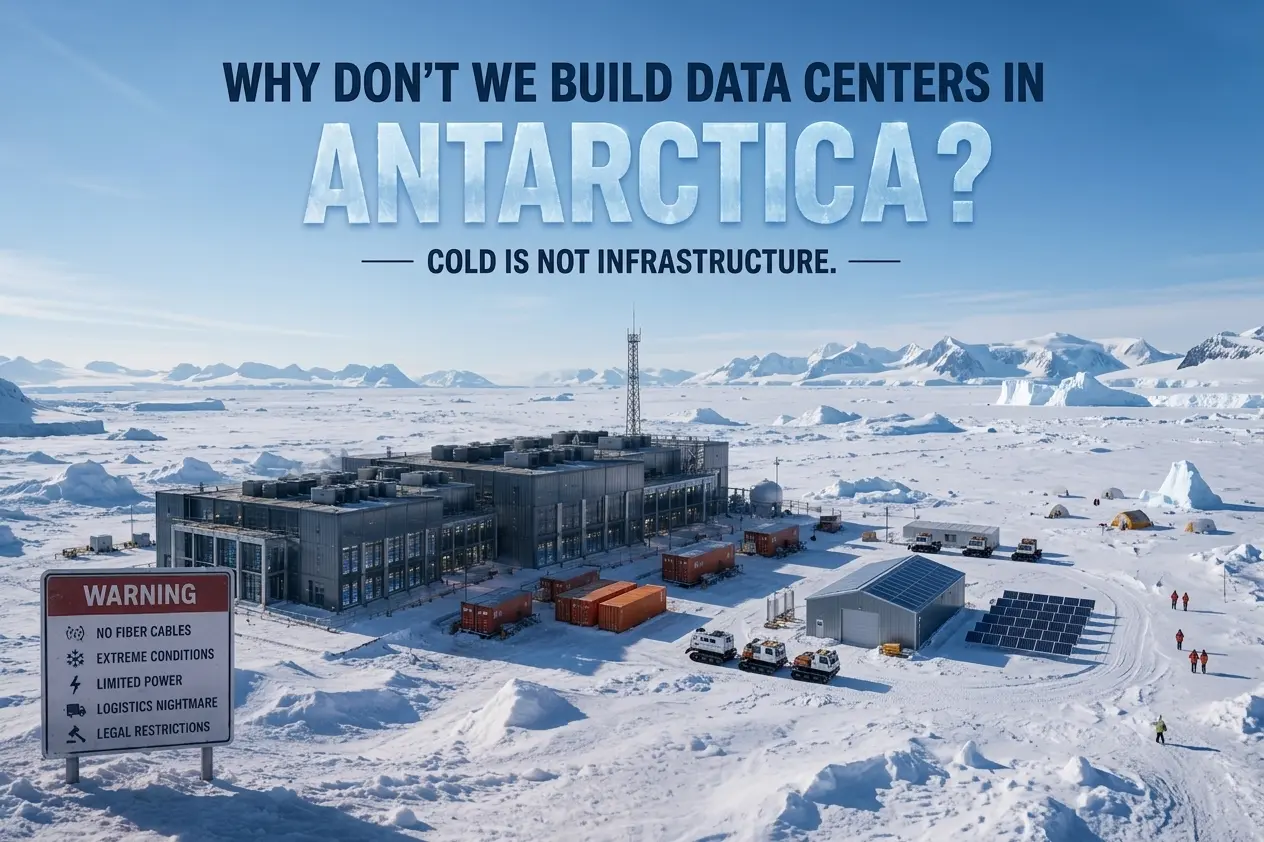
Cooling is expensive, Antarctica is cold, so why not? Because data centers are factories, not hot rooms — and factories need power, fiber, roads, spare parts, workers, permits, and boring infrastructure that Antarctica refuses to provide.
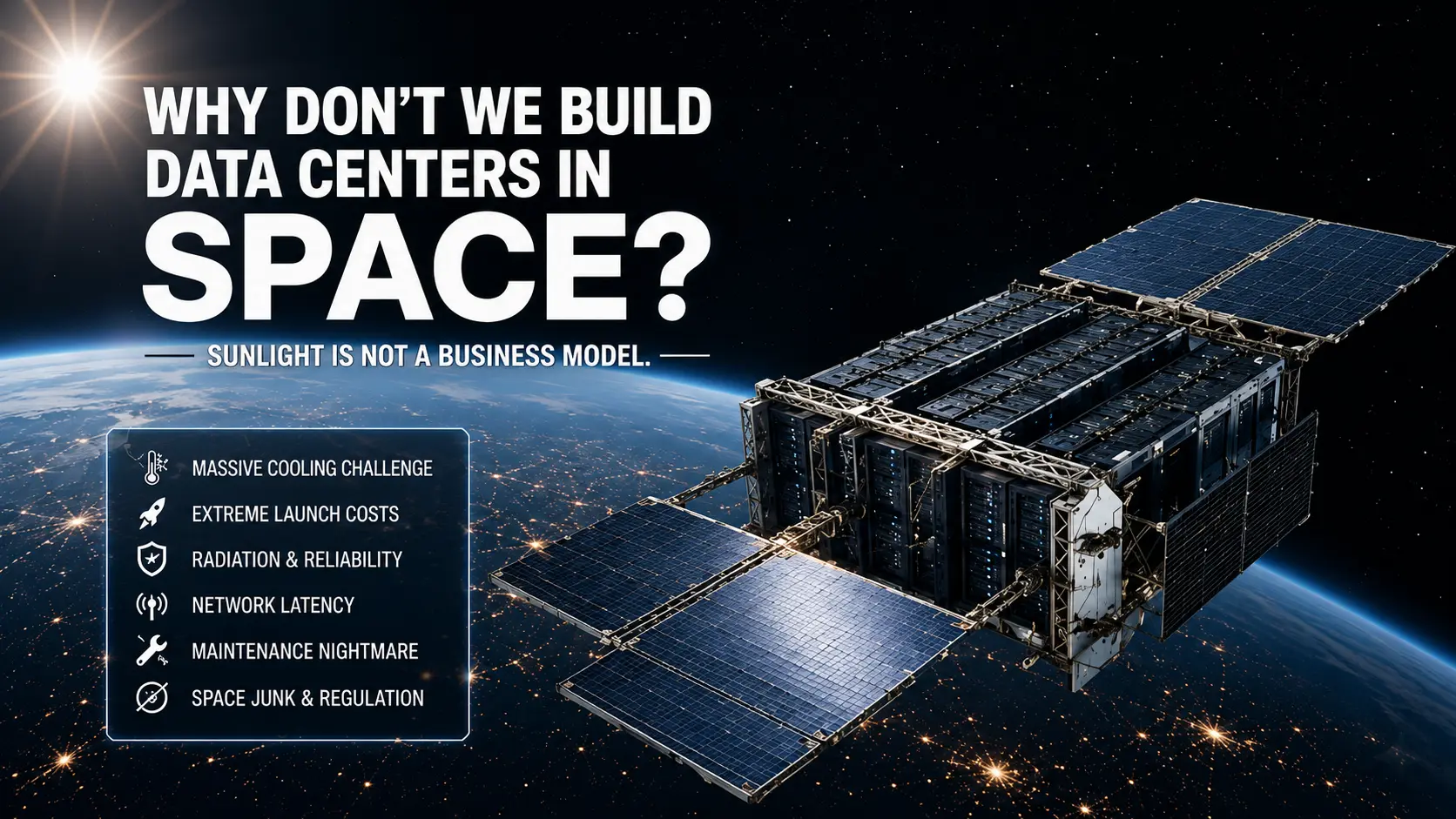
Free solar power, no land disputes, no cooling towers — space sounds like the perfect home for the cloud. But space takes away almost everything a data center actually needs: easy cooling, maintenance, upgrades, networking, and repair.
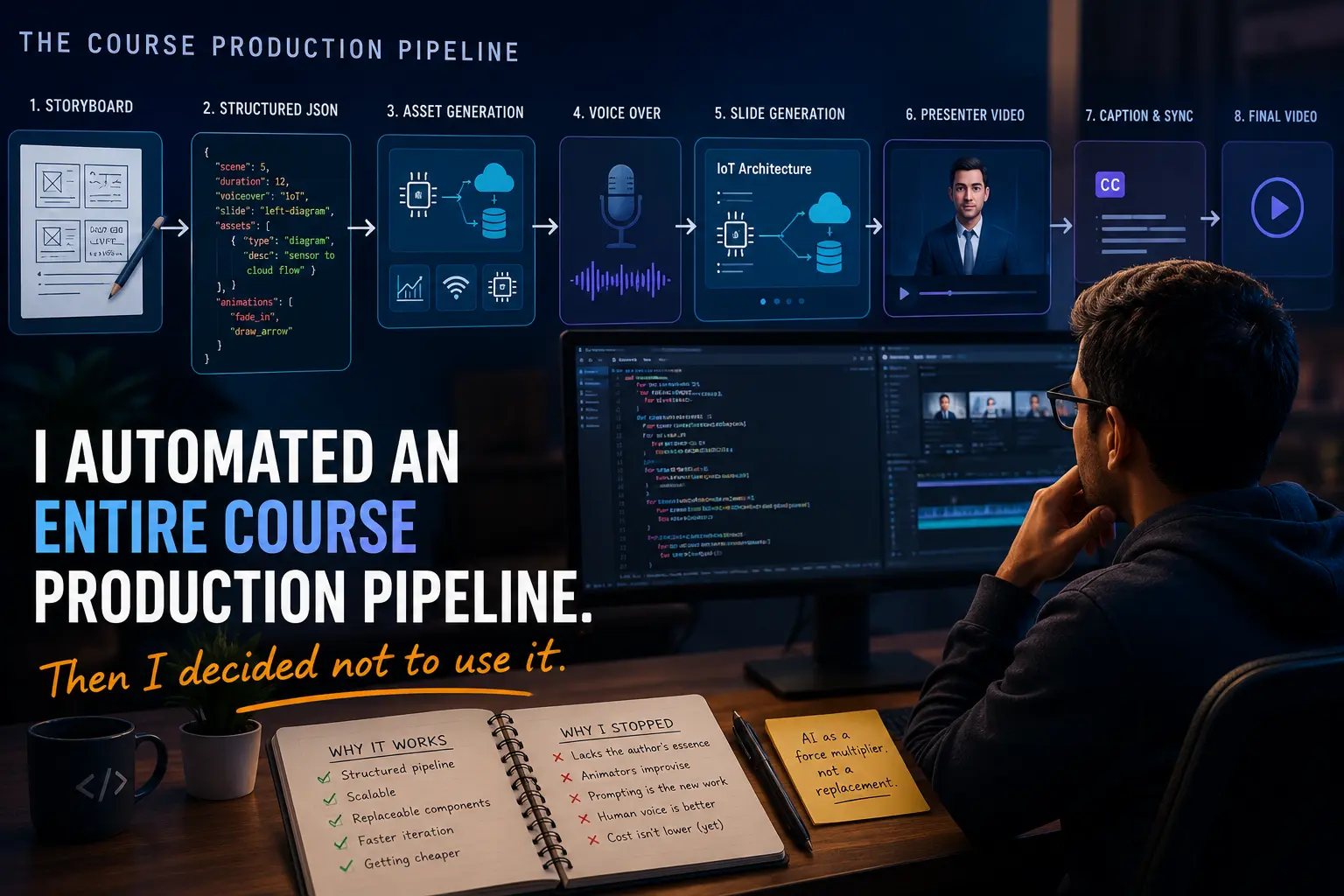
I built an AI pipeline that turned storyboards into JSON, generated assets, narration, slides, presenter video, and captions. It almost worked, but the experiment taught me why course production is authored, not merely manufactured.