
Carbon Chooses, Silicon Scales
AI may become better than humans at many forms of thinking without replacing humanity. The real question is whether the intelligence extending us will remain accessible to everyone.
Posts in
23 posts
AI may become better than humans at many forms of thinking without replacing humanity. The real question is whether the intelligence extending us will remain accessible to everyone.
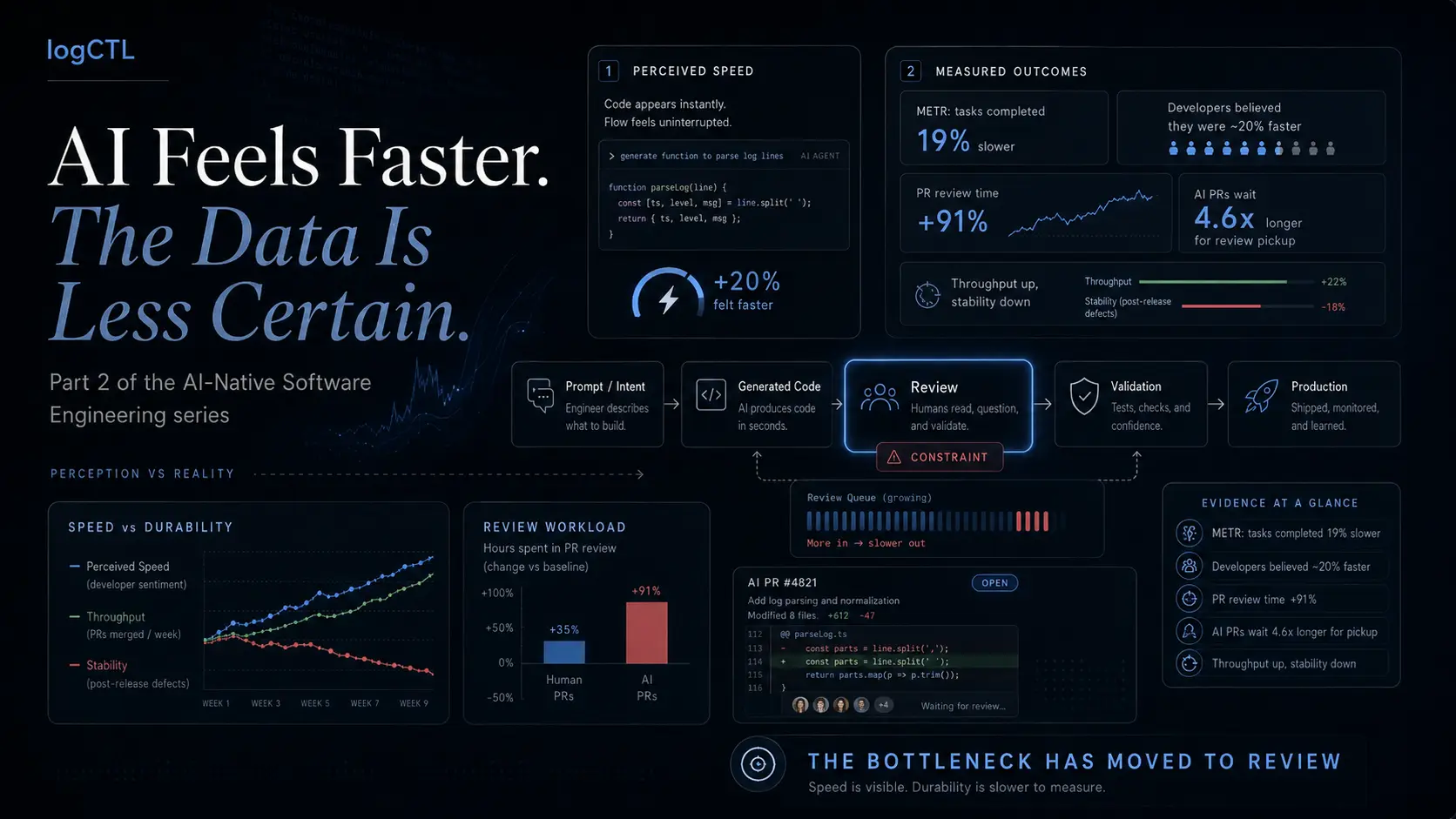
AI coding tools feel transformative, but the productivity evidence is mixed. Part 2 of the LogCTL series on AI-native engineering examines the gap between perceived speed and measured outcomes, and why review is becoming the new bottleneck.
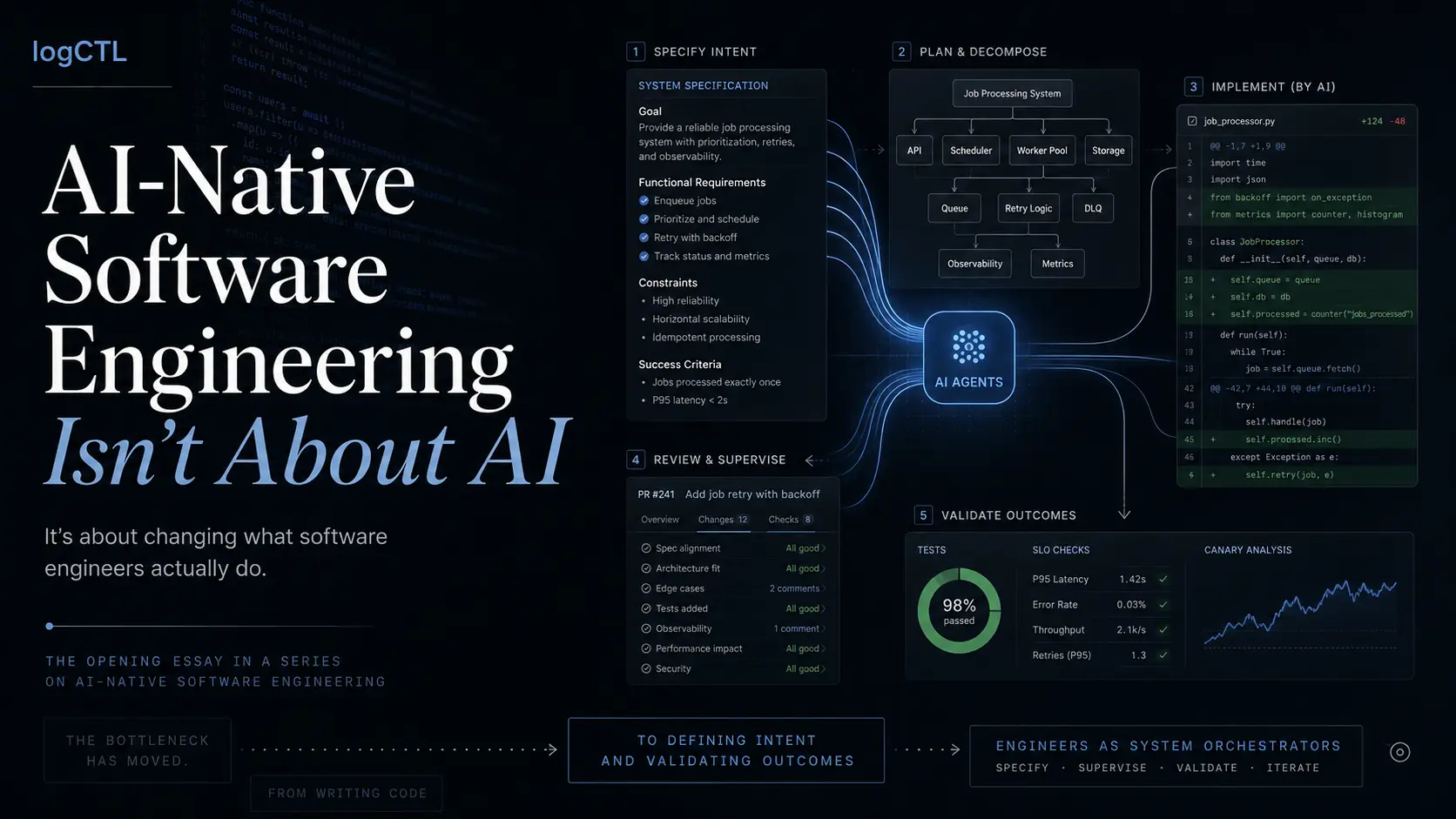
AI-native software engineering is not defined by how much AI a company uses. It describes a development model in which AI is treated as a primary participant in software construction rather than an occasional assistant.
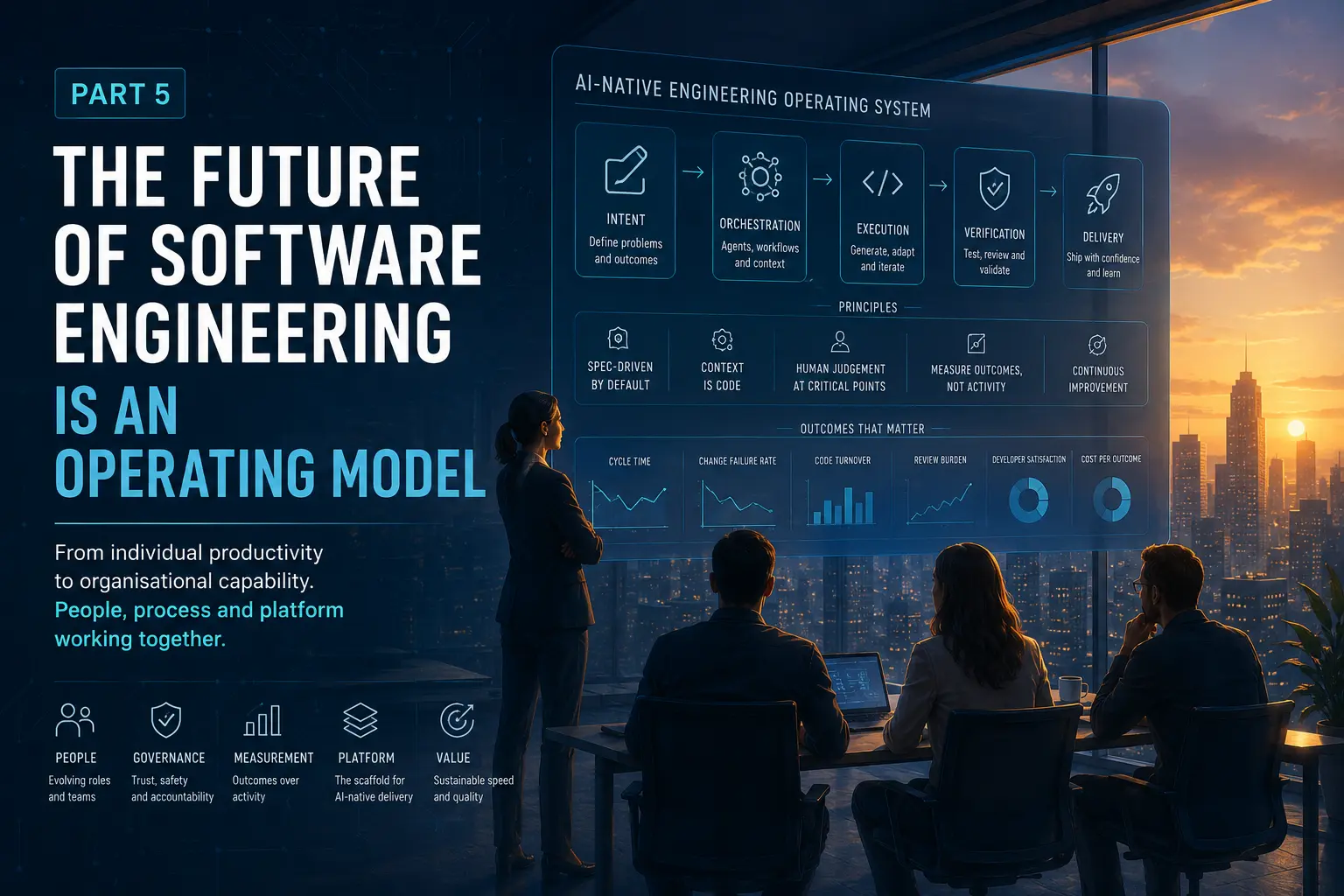
AI-native engineering is not defined by removing humans from software development. Part 5 of the LogCTL series examines how roles, teams, economics and accountability change when implementation is no longer the dominant activity.
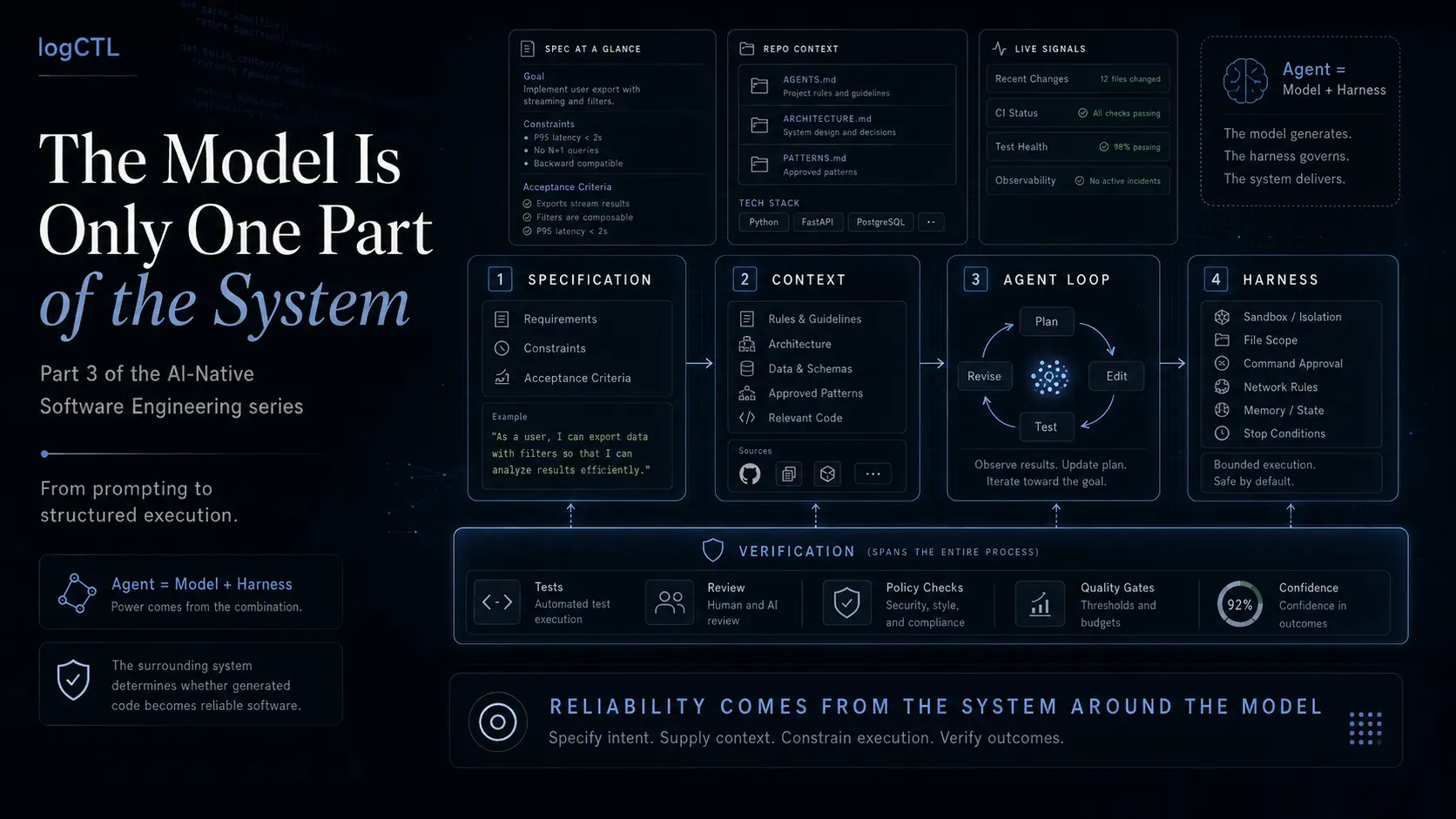
A useful AI-native workflow requires more than a better prompt. Part 3 of the LogCTL series maps the practical method: specifications, context engineering, agent workflows and the harness that enforces permissions, boundaries and stopping conditions.
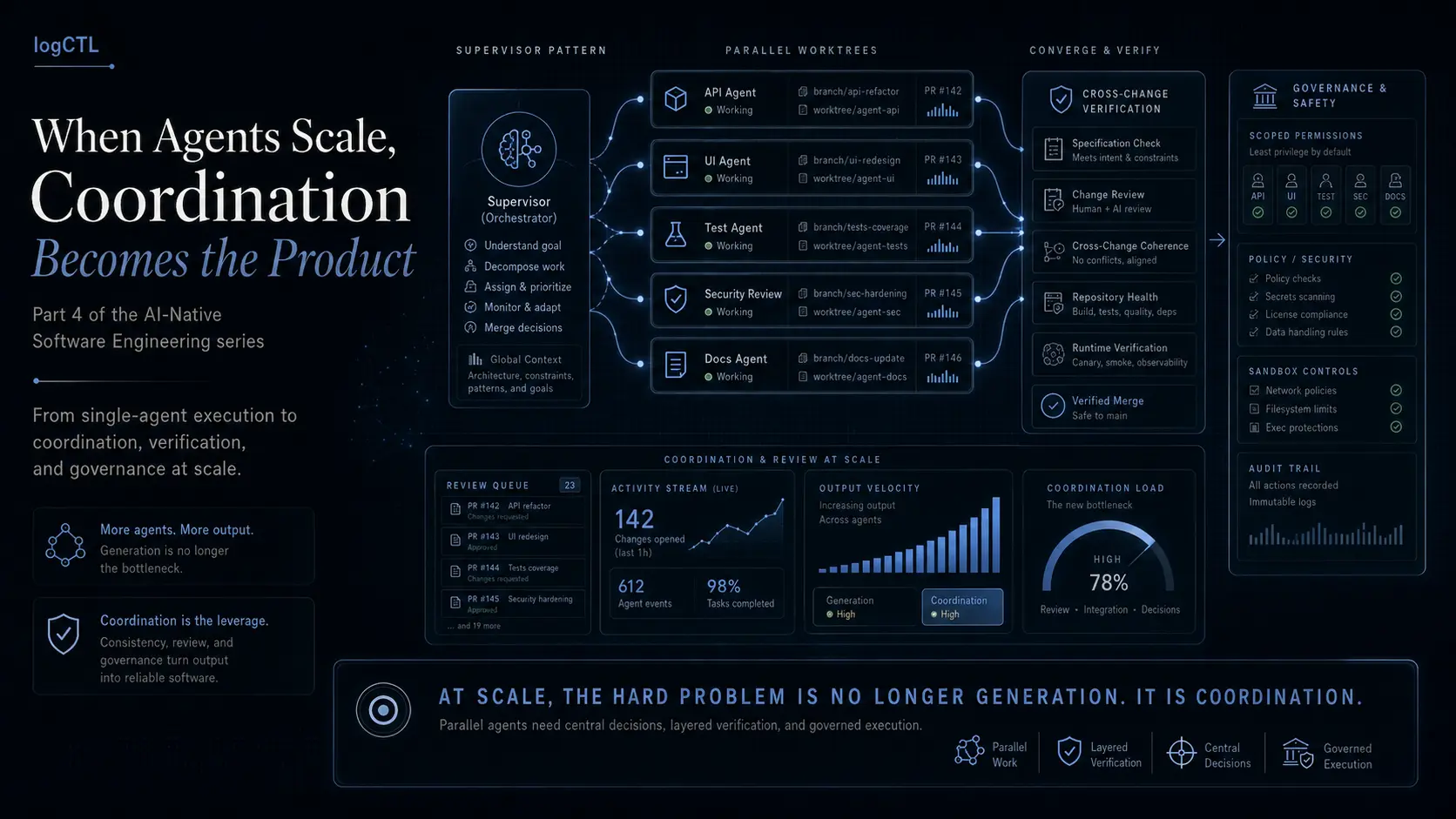
One agent can misunderstand a requirement. Several agents can misunderstand it in different ways. Part 4 of the LogCTL series on AI-native software engineering maps coordination, multi-agent orchestration, layered verification and governance at scale.
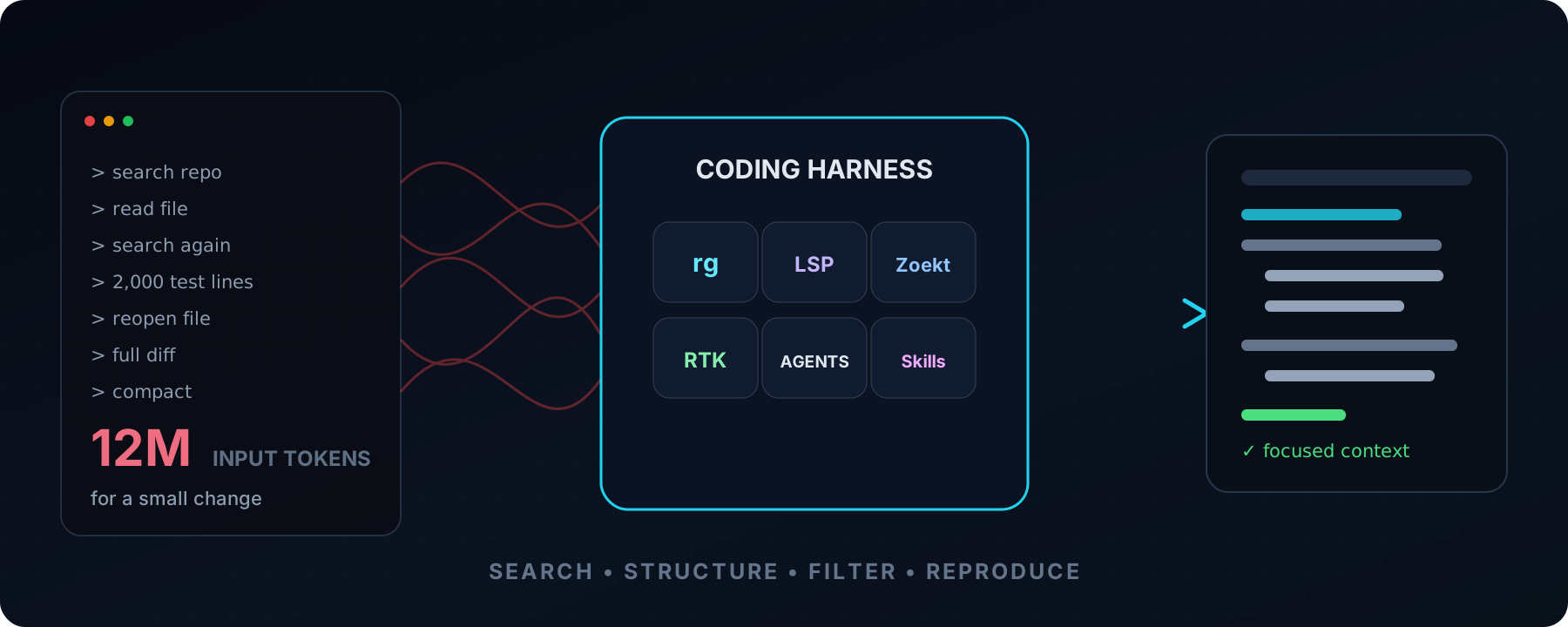
I spent 12 million input tokens on a small monorepo change. The problem was not the model. It was the development environment around it.
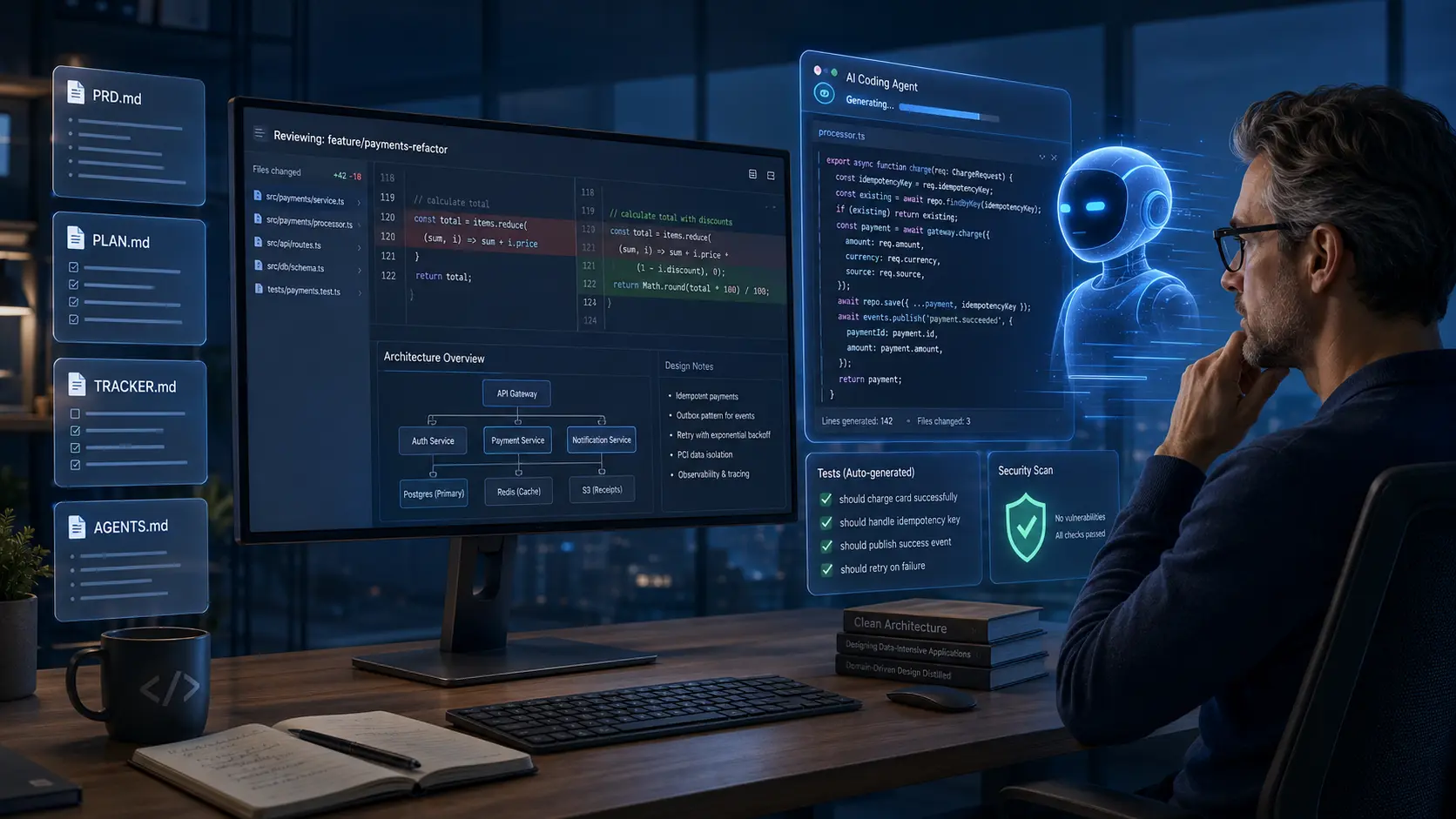
An opinionated workflow for building good-enough software with AI coding agents without surrendering architecture, judgment, or security.
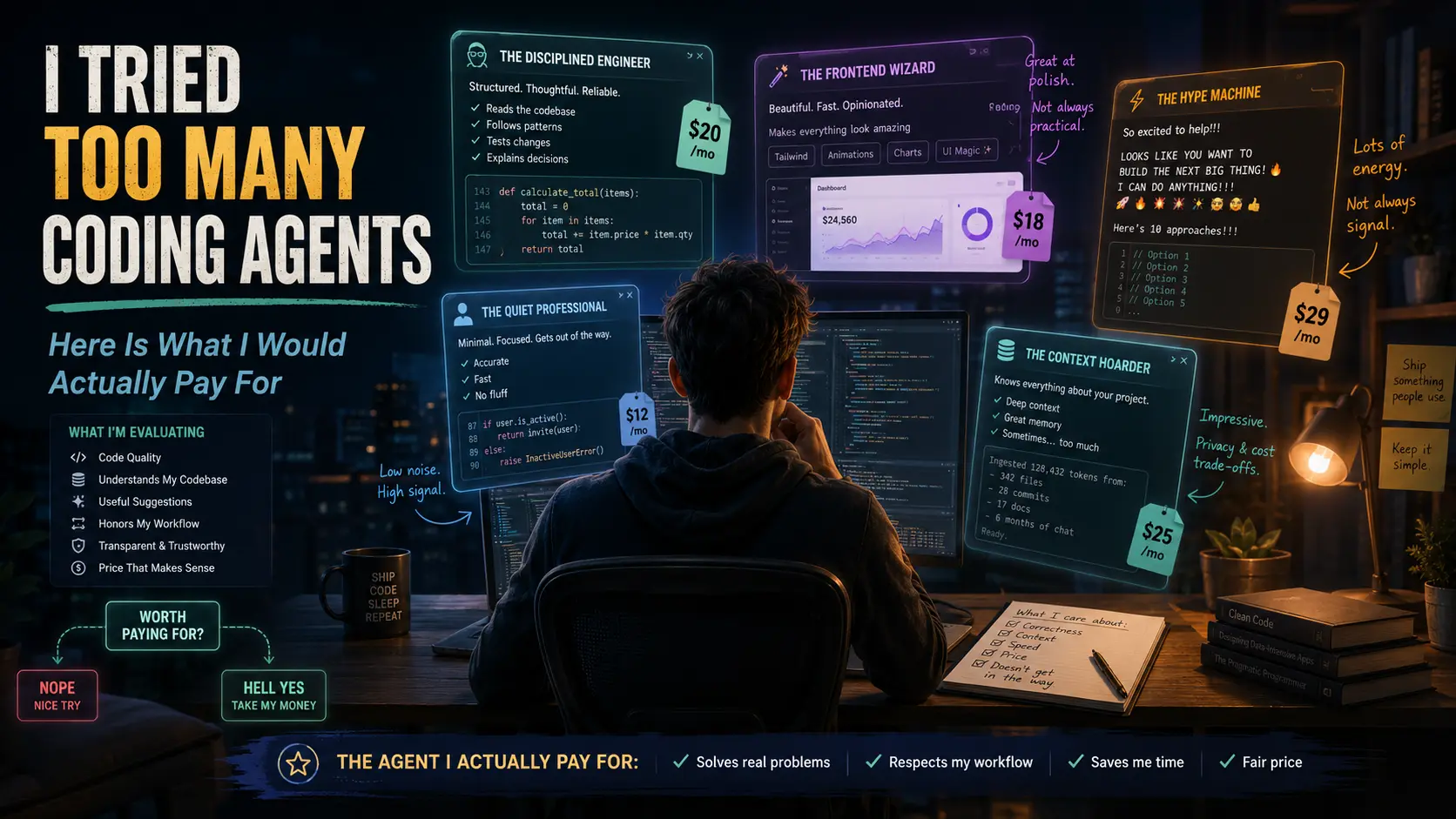
A subjective comparison of Claude Code, Codex, Cursor, OpenCode, and the models inside them, based on ordinary application work rather than benchmarks.
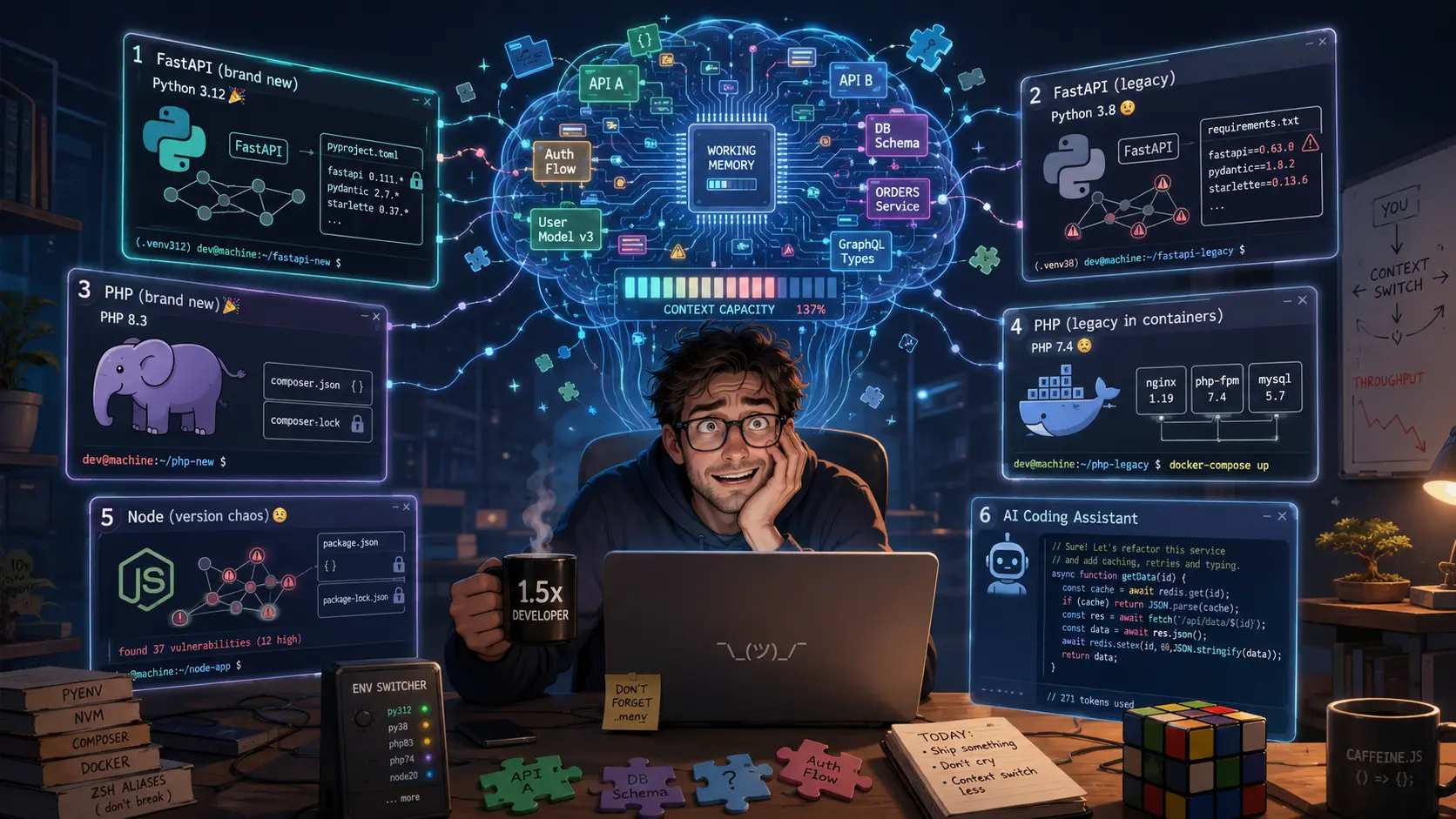
The pursuit of becoming a 10x developer through context-switching across six projects, multiple languages, and AI agents — and the quiet realization that 1.5x is honest work.
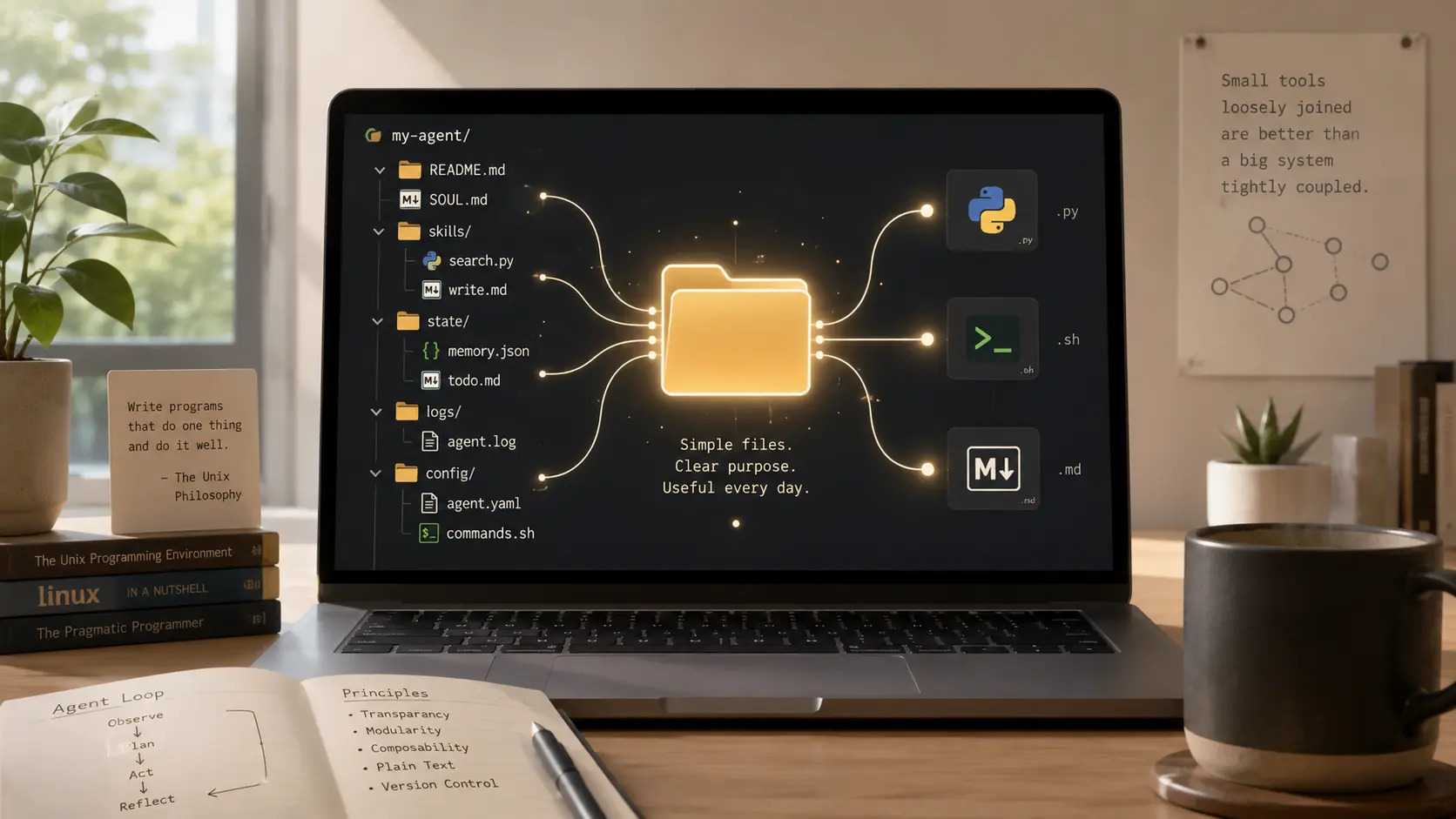
After testing agent frameworks for personal automation, I realized the best personal AI agent is not a platform—it is a well-organized directory of Markdown, scripts, logs, and state.
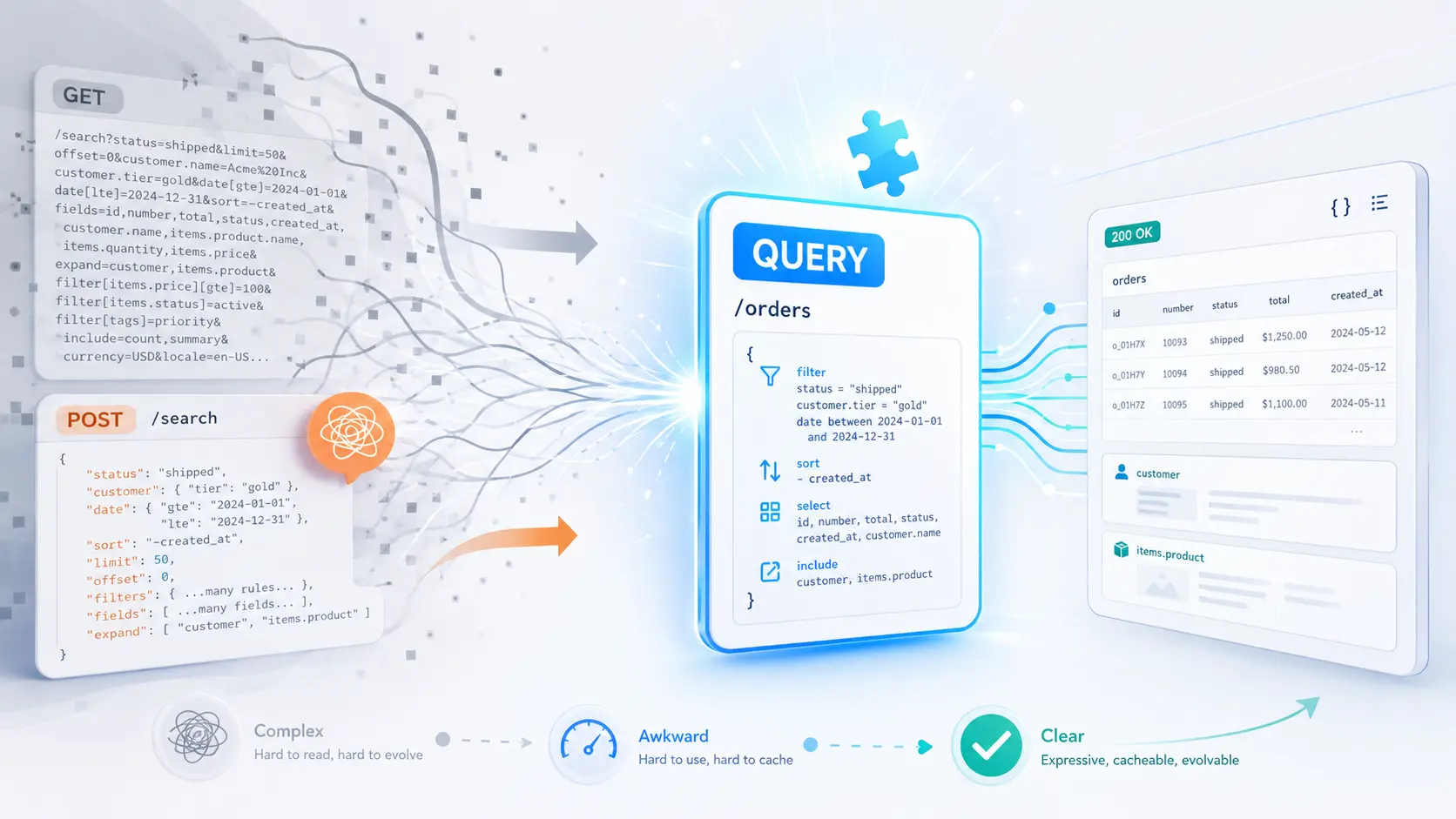
Complex read-only queries have been hiding inside POST /search endpoints for years. RFC 10008 adds an HTTP QUERY method — safe, idempotent, and built for body-heavy reads. Here is how it changes API design.
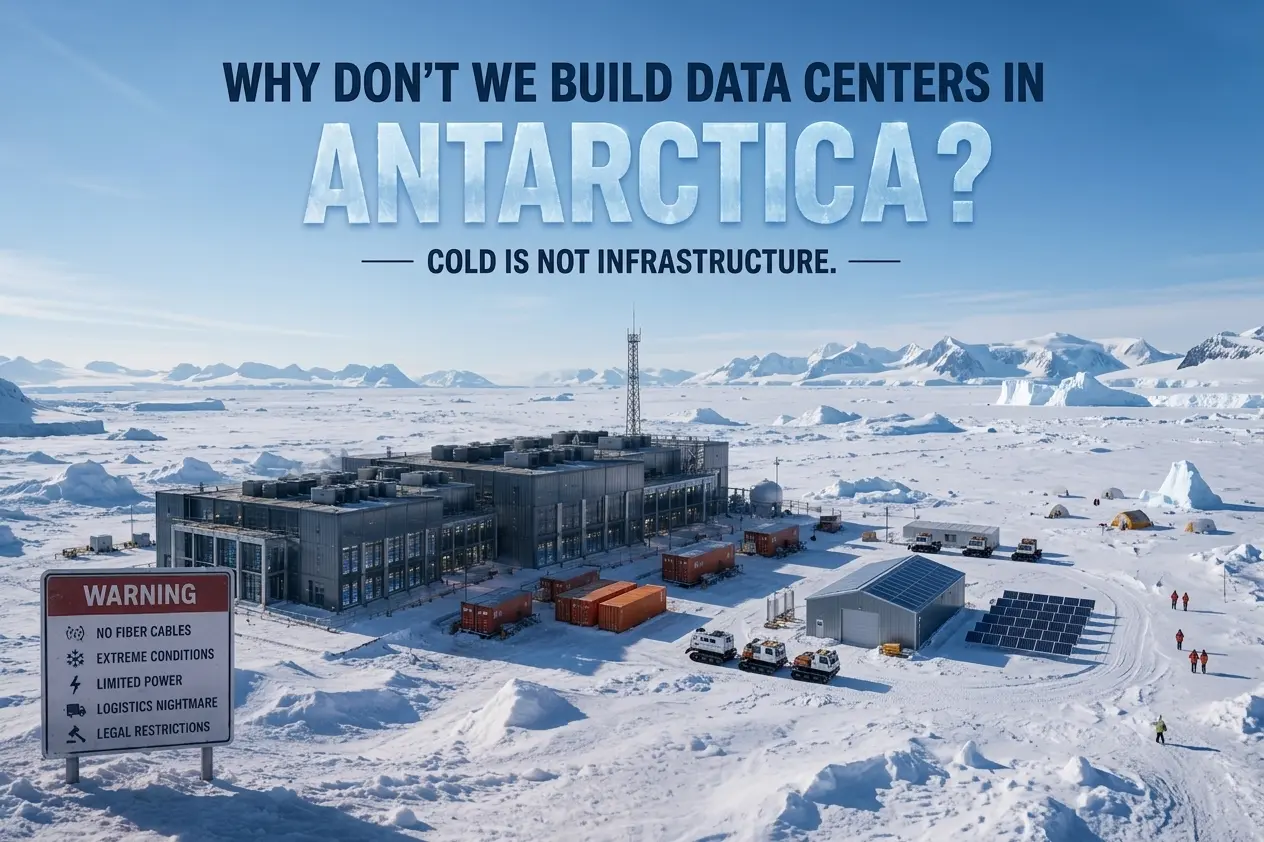
Cooling is expensive, Antarctica is cold, so why not? Because data centers are factories, not hot rooms — and factories need power, fiber, roads, spare parts, workers, permits, and boring infrastructure that Antarctica refuses to provide.
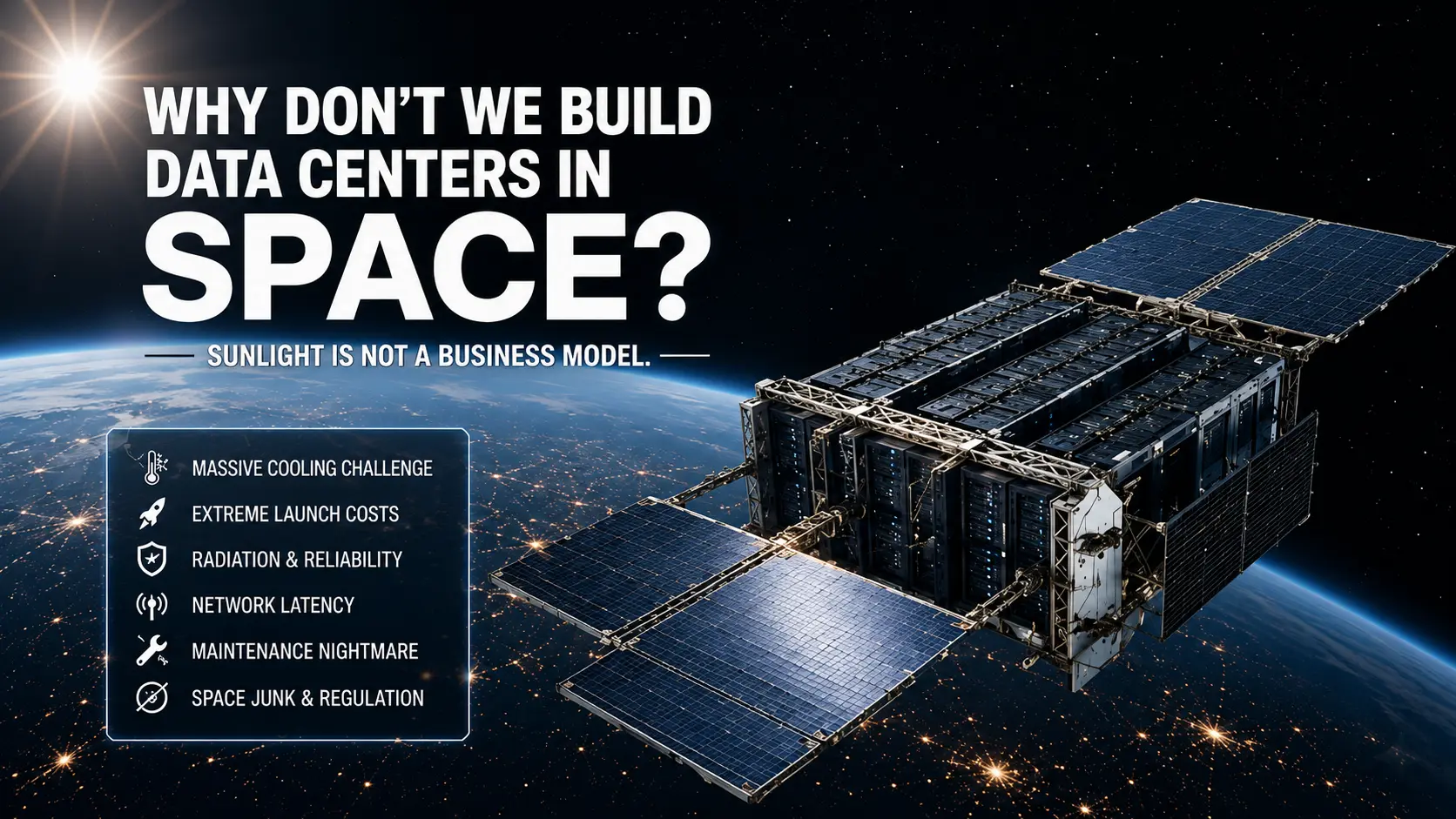
Free solar power, no land disputes, no cooling towers — space sounds like the perfect home for the cloud. But space takes away almost everything a data center actually needs: easy cooling, maintenance, upgrades, networking, and repair.
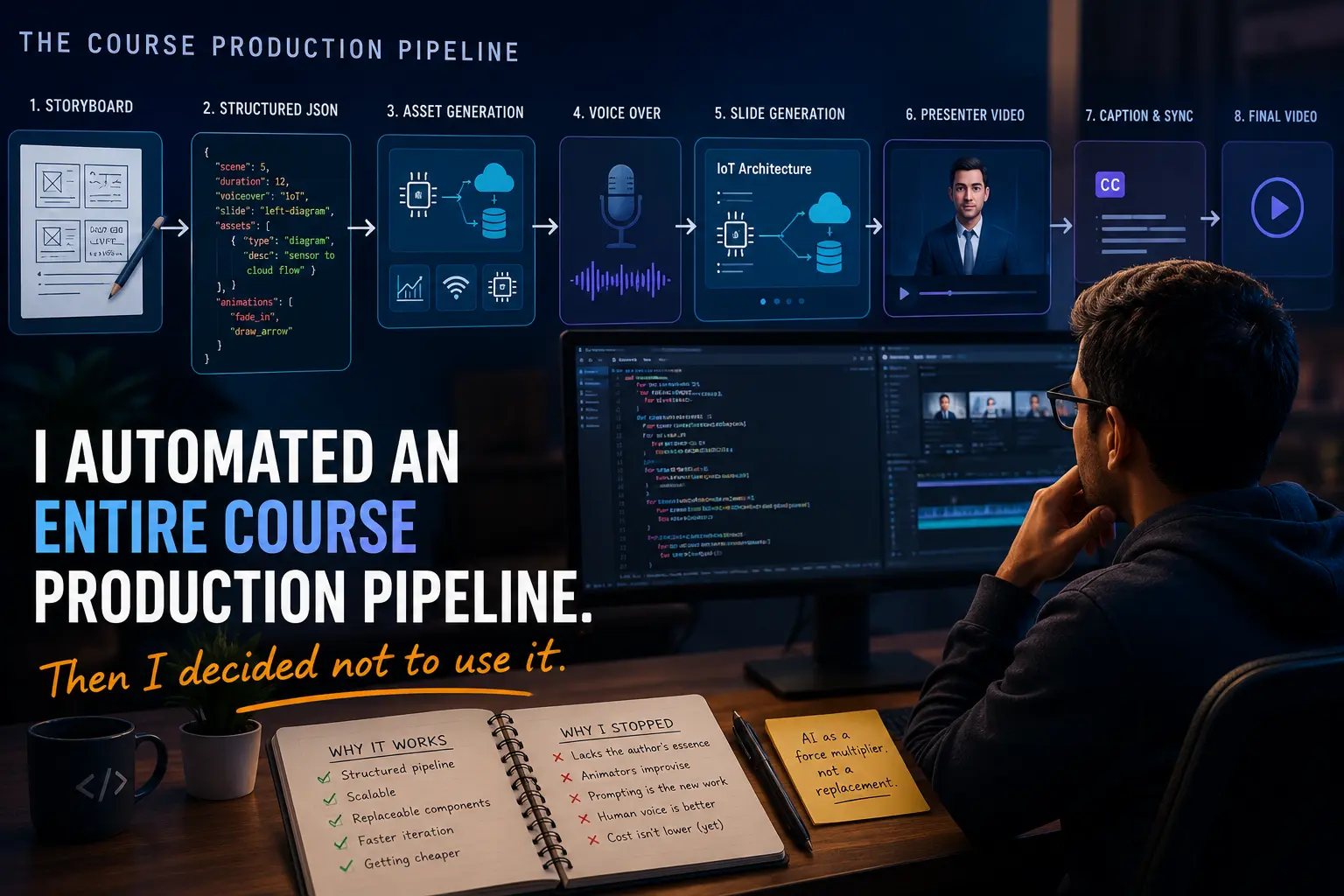
I built an AI pipeline that turned storyboards into JSON, generated assets, narration, slides, presenter video, and captions. It almost worked, but the experiment taught me why course production is authored, not merely manufactured.
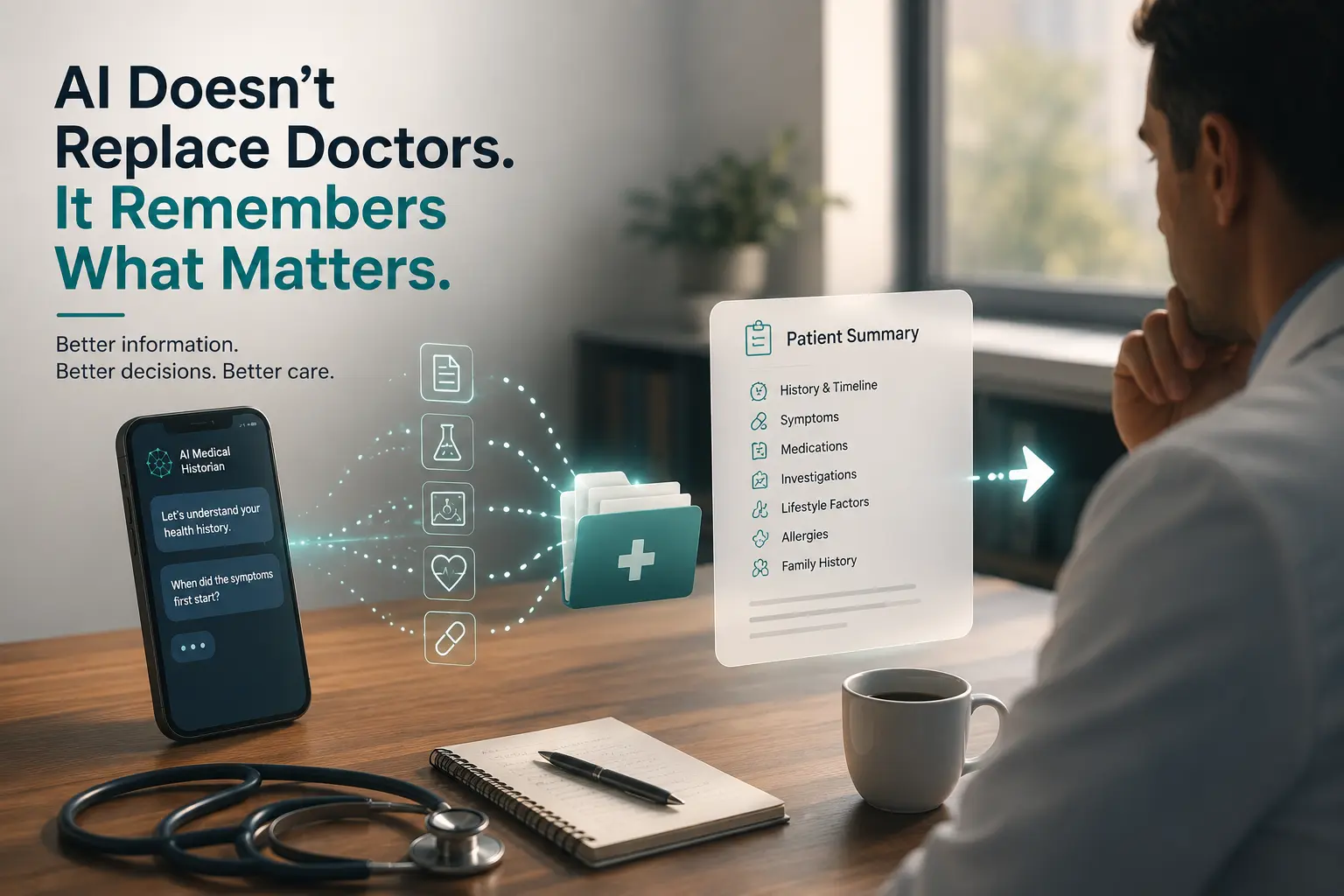
When AI spends 30 minutes patiently building a complete medical history and a doctor gets 10, the comparison isn't about intelligence — it's about information. Here's why we should be building AI historians, not AI doctors.
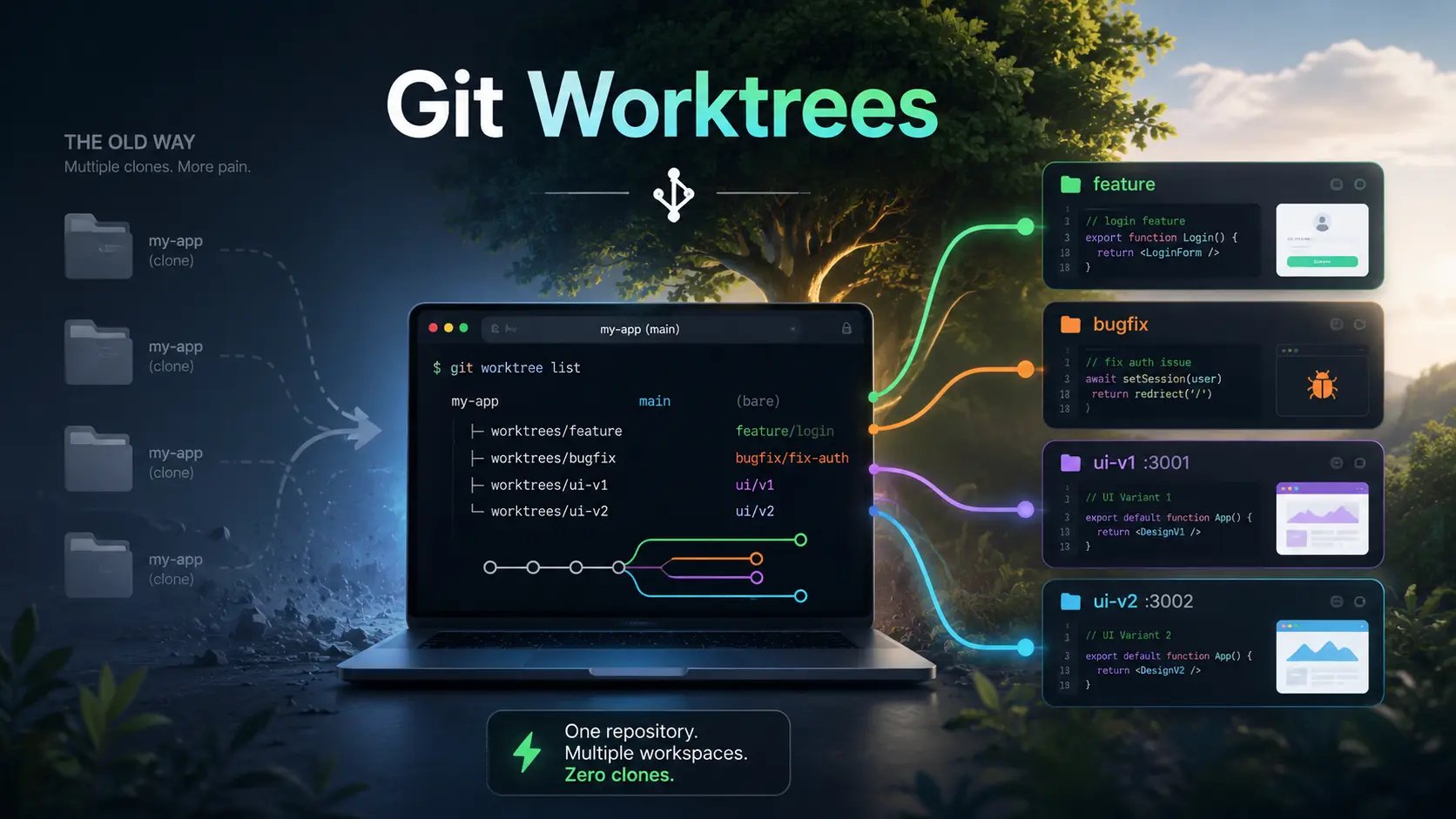
Stop cloning the same repository for every context switch. Git worktrees let you work on multiple branches simultaneously without WIP commits, broken dependencies, or mental clutter.
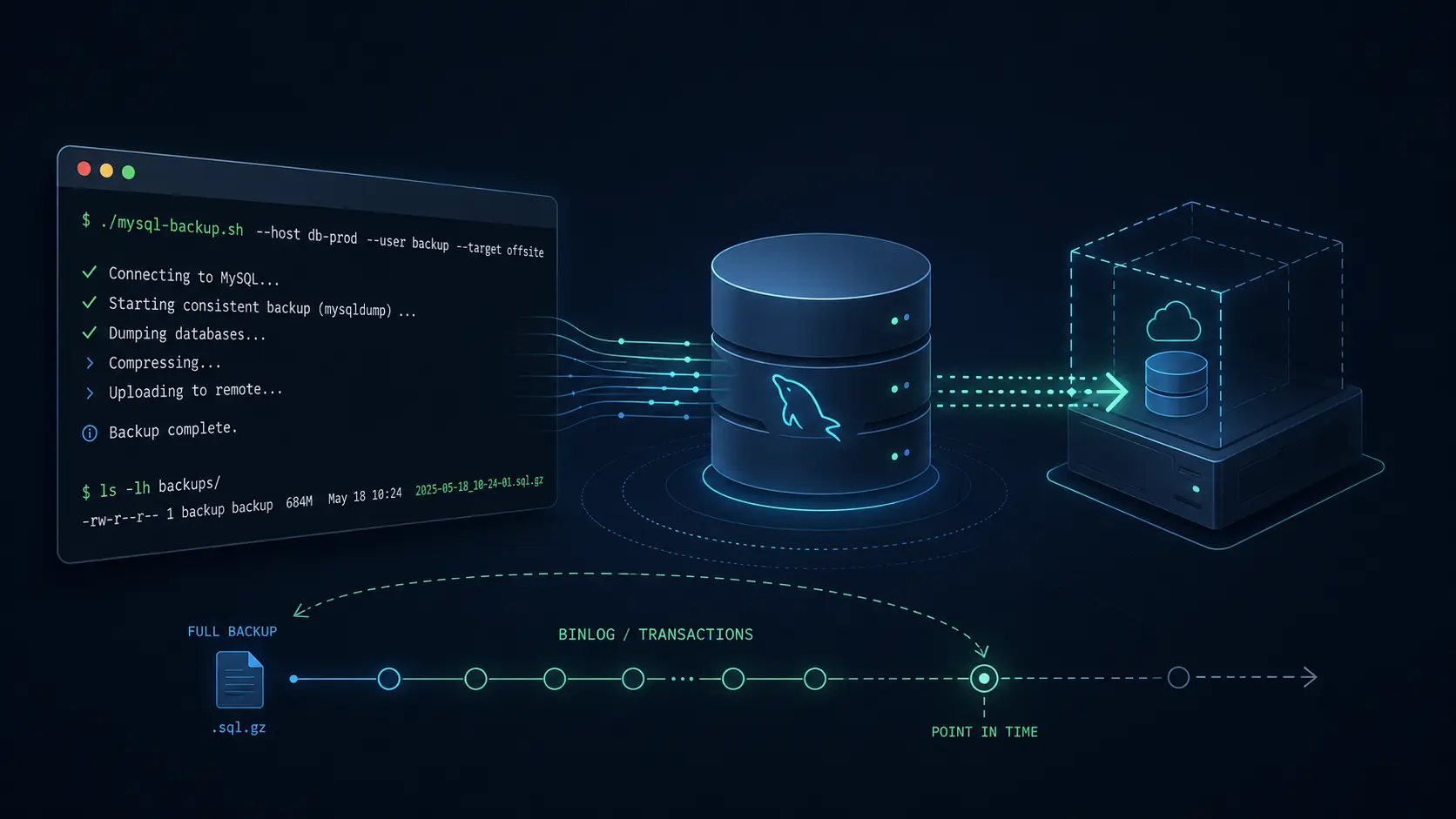
Backups shouldn't need dashboards, agents, or cloud tokens. Just a boring script, cron, and a compressed dump copied to another VM. Here's the philosophy behind mysql-backup.
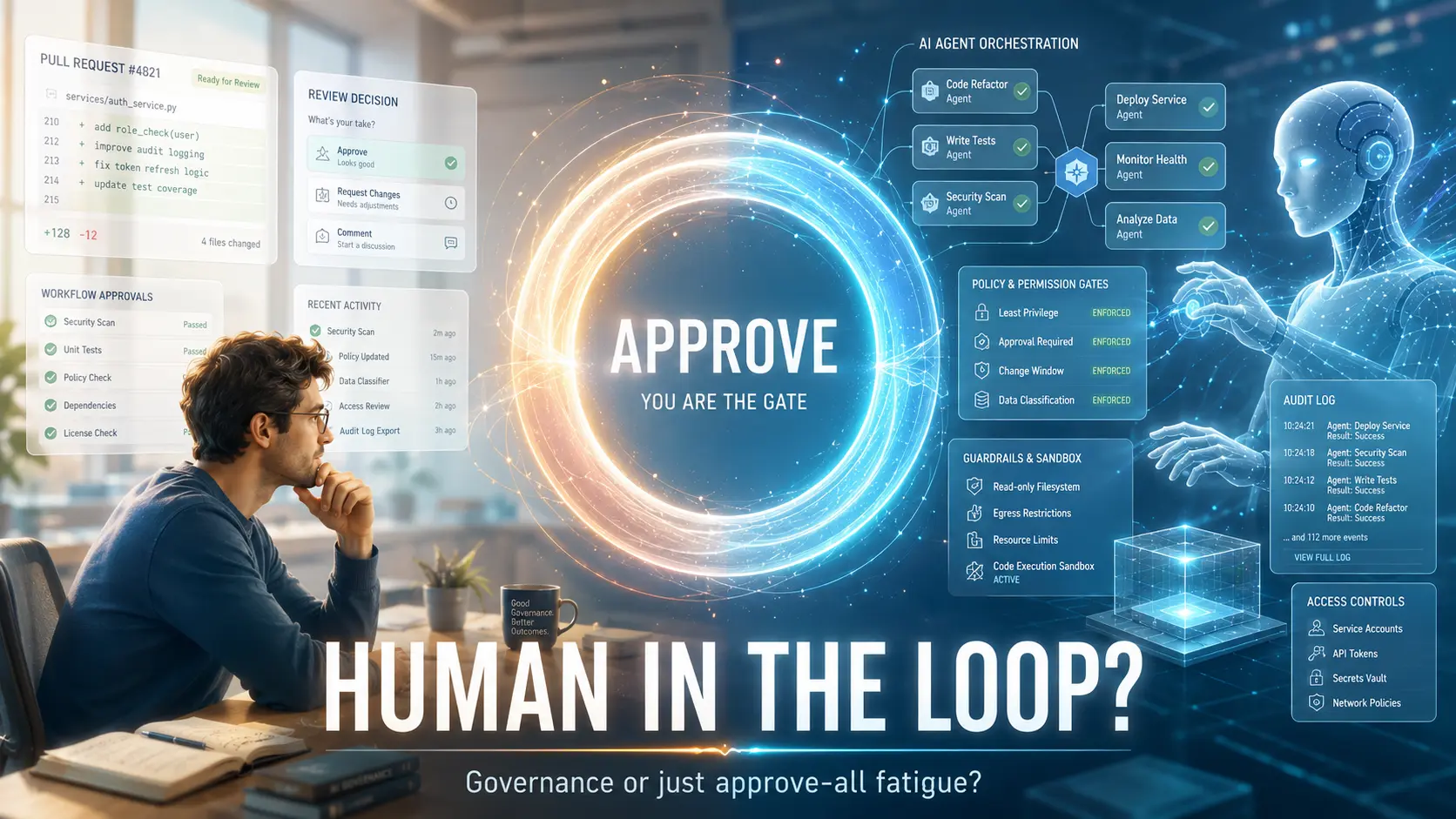
Human-in-the-loop governance sounds responsible, but tired humans blindly approving every prompt isn't governance. The real future is programmatic boundaries for machines and accountability for humans.
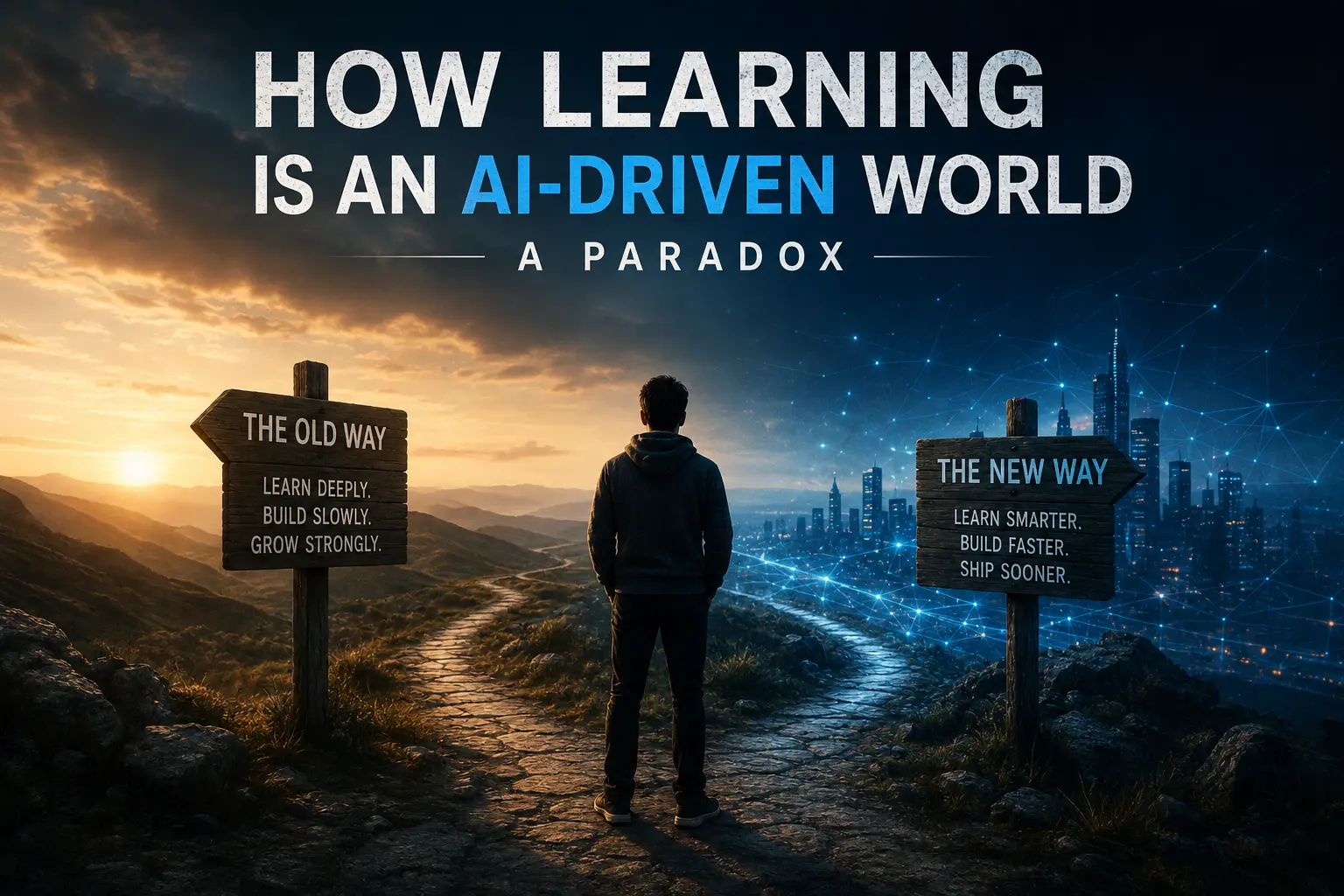
AI has fundamentally changed the feedback loop between learning and building. I build faster than ever, yet some days I feel like I know less than ever. Here is what that paradox actually means for developers.
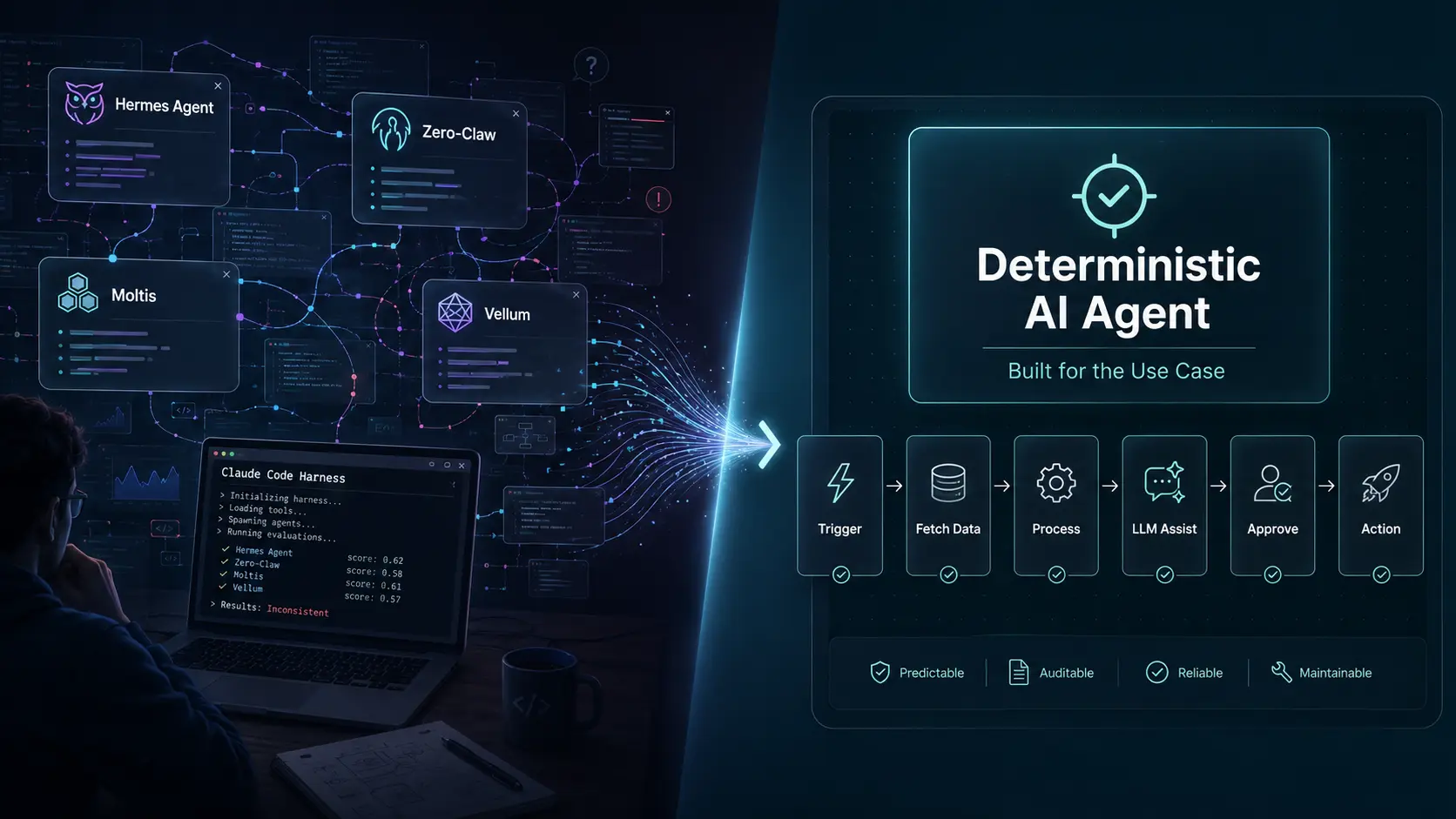
After evaluating multiple AI agent frameworks, I found that deterministic automation with an LLM inside beats magic autonomy for real operational work.
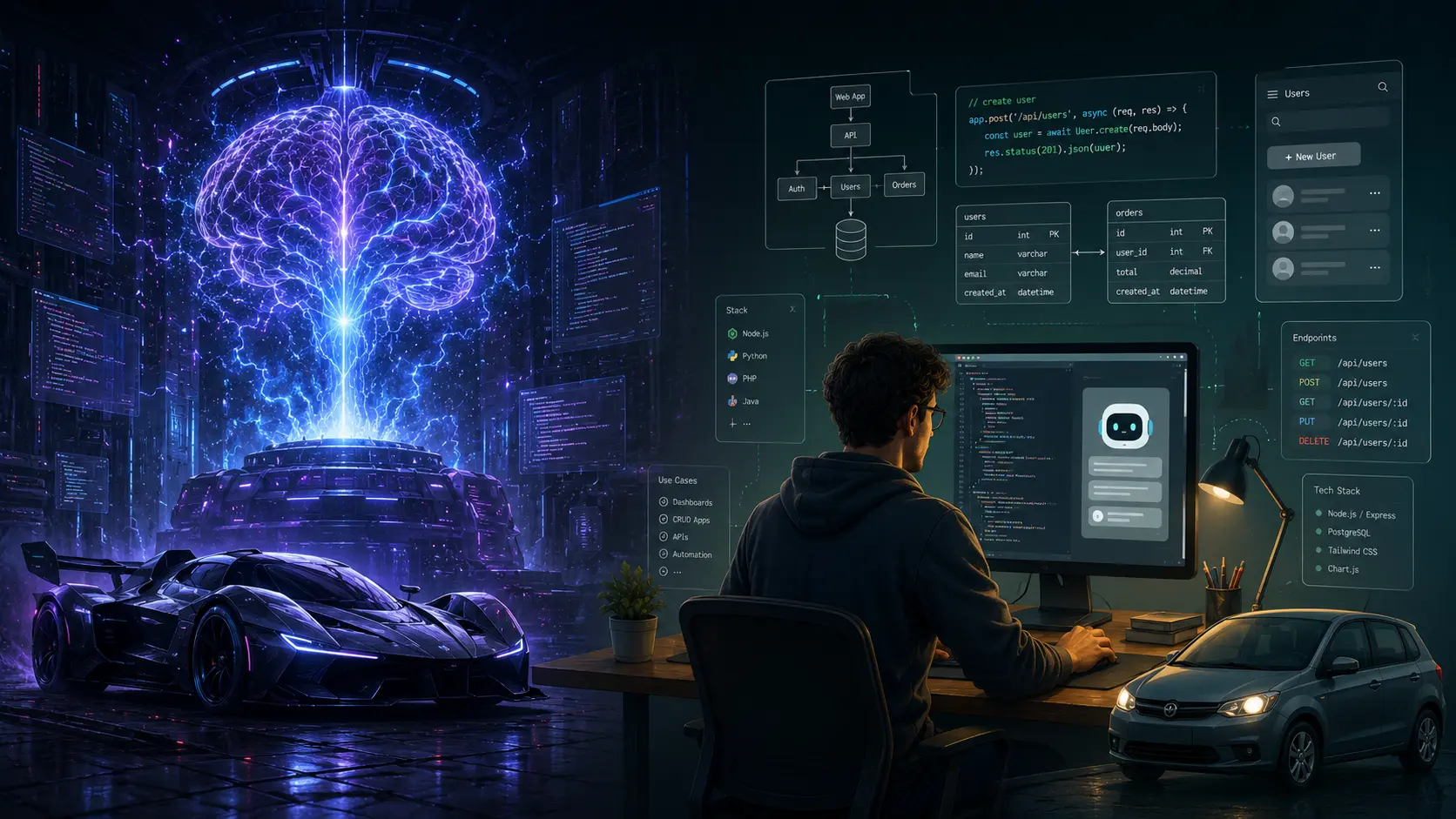
Frontier models are brilliant, but many everyday coding tasks run just fine on smaller models — if your workflow is clear. Stop buying the hype and choose tools for your actual use case.
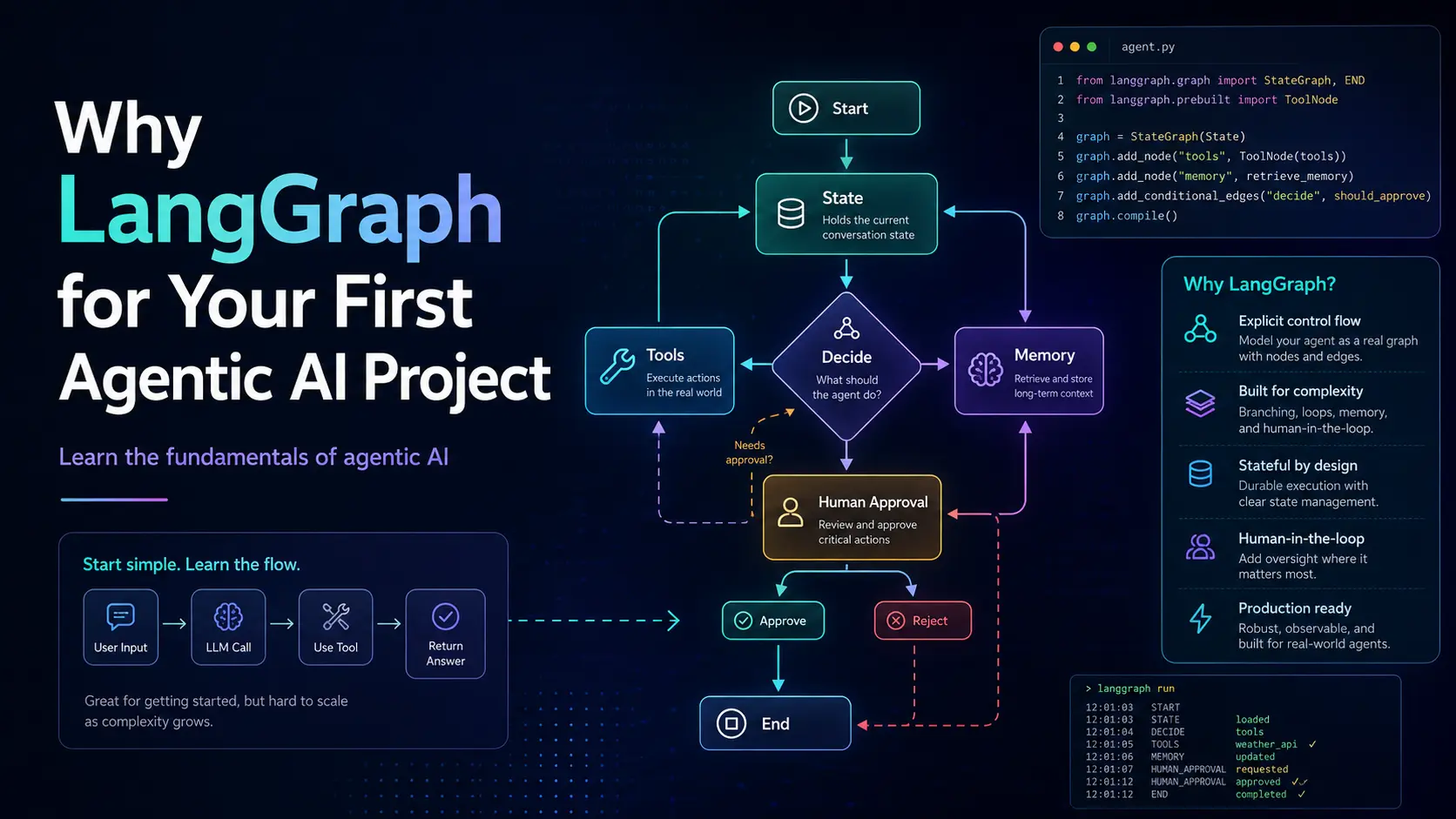
LangGraph forces you to learn state management, tools, routing, and human-in-the-loop approval — the fundamentals that survive framework churn in the fast-moving agentic AI space.